.svg)


As a pet owner, leaving your family member behind can be heart-wrenching – especially when you notice they seem distressed every time you reach for your keys. Separation anxiety affects millions of pets, but recognizing the signs early can make all the difference in helping your companion feel more secure and comfortable.
Separation anxiety occurs when pets become extremely distressed upon being separated from their owners or primary caregivers. While it's normal for pets to miss their humans, separation anxiety goes beyond typical sadness and can significantly impact your pet's physical and emotional well-being.
Remember, separation anxiety is treatable, and you don't have to navigate it alone.
Coming home to chewed furniture, scratched doors, or torn cushions? Destructive behavior is one of the most obvious signs of separation anxiety. Pets often target items that smell like their owners or focus their energy on escape routes like doors and windows.
If neighbors mention hearing constant barking, howling, or meowing while you're gone, your pet may be expressing their distress vocally. This behavior typically starts shortly after you leave and can continue for hours.
A previously house-trained pet suddenly having accidents indoors – especially near doors or windows – could indicate separation anxiety rather than a training regression. The stress of being alone can cause pets to lose control of their bladder or bowels.
Some pets with separation anxiety exhibit repetitive behaviors like pacing in circles, walking back and forth along windows, or unable to settle in one spot. This restless energy stems from their heightened stress levels.
Watch your pet's behavior as you prepare to leave. Do they start panting, drooling, or following you anxiously around the house when you pick up your keys or put on your coat? This anticipatory anxiety shows they've learned to associate these cues with your departure.
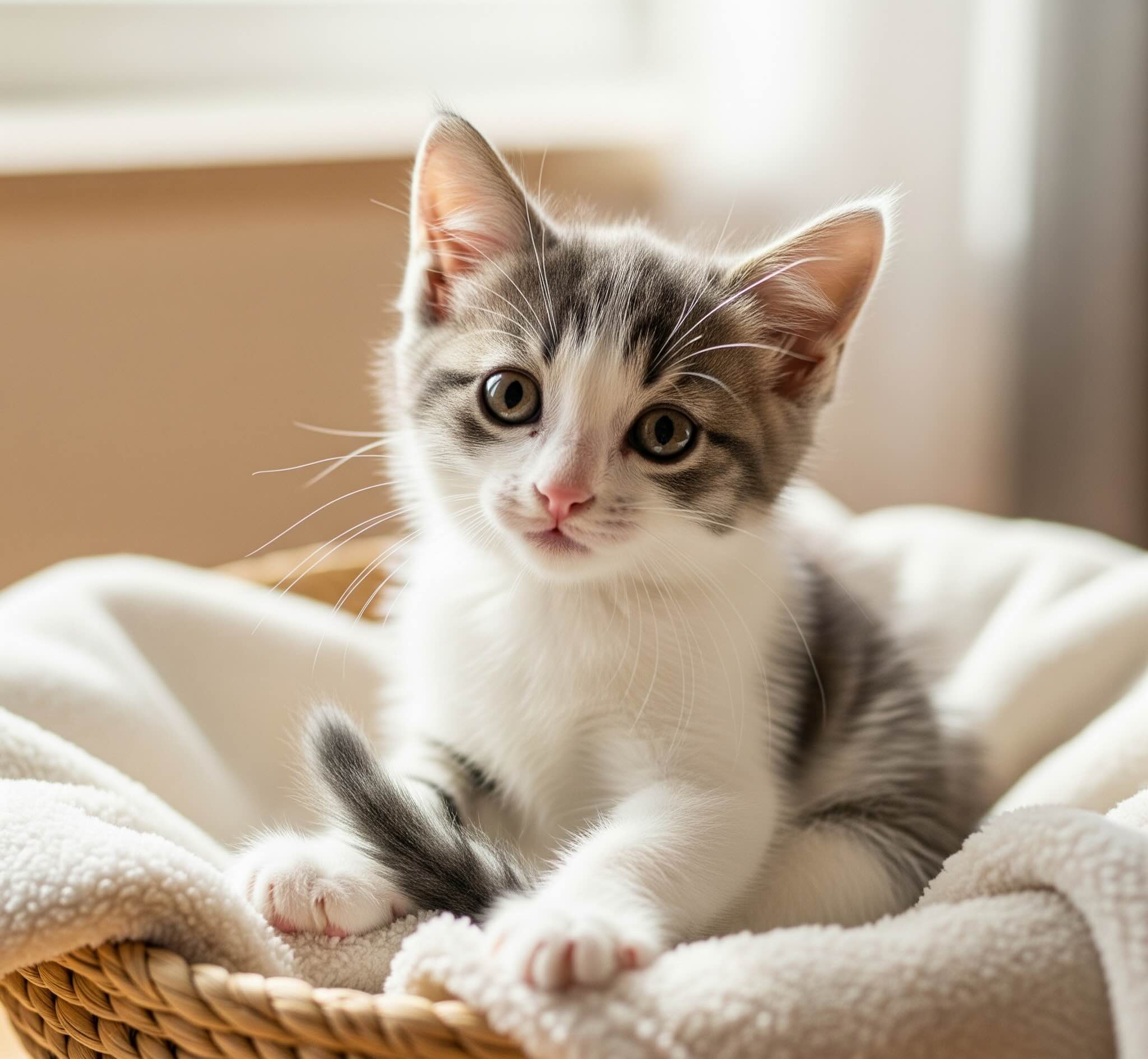
Back home, creating a peaceful environment for your pet to relax in is equally crucial. A cozy corner with their favorite blanket or a quiet spot by the window can go a long way in making your pet feel at ease. After a long day of adventures, having a calm space to rest will keep them happy and balanced.
Professional pet sitters provide the consistent presence and routine that anxious pets crave. Instead of being left alone for 8-10 hours, your pet receives regular check-ins, meals, walks, and most importantly – companionship.
Unlike boarding facilities, in-home pet sitting allows your pet to stay in their familiar territory, surrounded by their favorite toys, blankets, and scents. This familiarity significantly reduces stress levels.
Experienced pet sitters understand that every animal is unique. They can adapt their approach based on your pet's specific needs, whether that means extra playtime, gentle reassurance, or simply quiet companionship.
When you know your pet is receiving professional, loving care, you can focus on your work or travel without the constant worry about how your pet is coping at home
If your pet shows multiple signs of separation anxiety, or if their distress is impacting their health and your peace of mind, professional pet care can provide the solution you both need. Remember, separation anxiety is treatable, and you don't have to navigate it alone. With the right combination of professional pet care, patience, and understanding, your beloved companion can learn to feel more secure and content, even when you're away.